
Exploring cultural perceptions of gambling A guide from Chicken Road
The Evolution of Gambling in Different Cultures
Gambling has a long history, evolving through various cultural contexts and social frameworks. In many societies, games of chance have been intertwined with religious rituals and community gatherings, reflecting deeper beliefs and values. For instance, in some cultures, gambling is viewed as a rite of passage or a way to engage in social bonding, while in others, it is often met with skepticism or outright prohibition. To join the fun, you can easily https://chicken-road-2.com.ng/en-ng/ and download Chicken Road 2.0 game APK online.
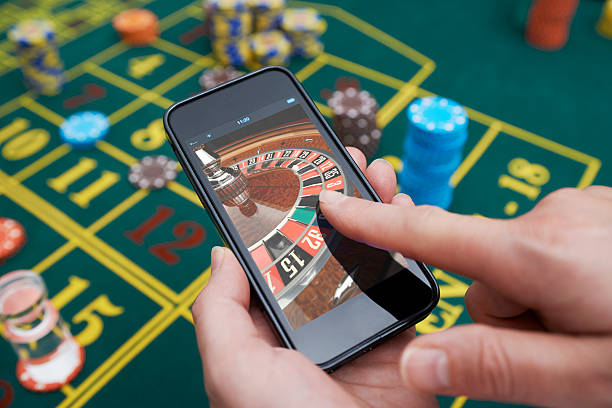
This duality in perception can be attributed to the underlying societal values. In more collectivist cultures, gambling may be seen as a communal activity that promotes unity, whereas in individualistic societies, it may be associated with personal freedom and individual choice. Understanding these cultural nuances is essential to grasp the global landscape of gambling today.
The Role of Technology in Shaping Gambling Attitudes
Technology has dramatically transformed the gambling industry, altering how and where people participate in these activities. With the advent of mobile gaming and online platforms, gambling has become more accessible than ever, leading to a shift in cultural attitudes. The rise of mobile applications like Chicken Road showcases how gaming can blend entertainment and gambling, appealing to a younger audience.
As technology continues to advance, it raises questions about regulation and the ethical implications of online gambling. Different cultures respond to these changes based on their historical relationship with gambling and prevailing social norms. In some regions, this modernization is embraced, while in others, it stirs debate about the potential for addiction and social harm.
Cultural Differences in Gambling Legislation
The legal status of gambling varies widely across the globe, often reflecting cultural values and societal attitudes. In certain countries, strict regulations govern gambling practices, influenced by historical, religious, or moral perspectives. Conversely, in more liberal nations, laws may be relaxed, fostering a vibrant gambling culture that contributes to the economy.
These legal frameworks also shape public perception and participation. In cultures where gambling is legalized and regulated, it is often viewed as a legitimate form of entertainment, attracting tourism and generating significant revenue. On the other hand, in places where gambling is prohibited, it may lead to underground activities, stigmatizing participants and perpetuating a cycle of secrecy and shame.
The Impact of Gambling on Society and Culture
Gambling can have profound effects on society, influencing everything from economic development to community cohesion. In many cultures, it serves as a source of entertainment and can even contribute to charitable causes. However, the negative consequences of gambling addiction and financial strain can also create rifts within families and communities, prompting conversations about responsible gaming practices.
Cultural narratives surrounding gambling often highlight these tensions. Stories may reflect the thrill of winning, juxtaposed with the struggles of those who experience losses. These narratives shape how gambling is perceived and can encourage healthier attitudes and practices among participants.

Exploring Chicken Road and Its Cultural Context
Chicken Road serves as an innovative platform that merges the excitement of gaming with the cultural nuances surrounding gambling. By appealing to a diverse audience, this mobile app highlights how gaming can foster community and engagement, especially in regions where traditional gambling may be less accessible.
Through the lens of Chicken Road, users can explore not just the game itself, but also the broader cultural perceptions of gambling. It opens a dialogue about responsible gaming and encourages users to navigate their own experiences within the rich tapestry of cultural attitudes towards gambling.